The Importance of Islamic Wills
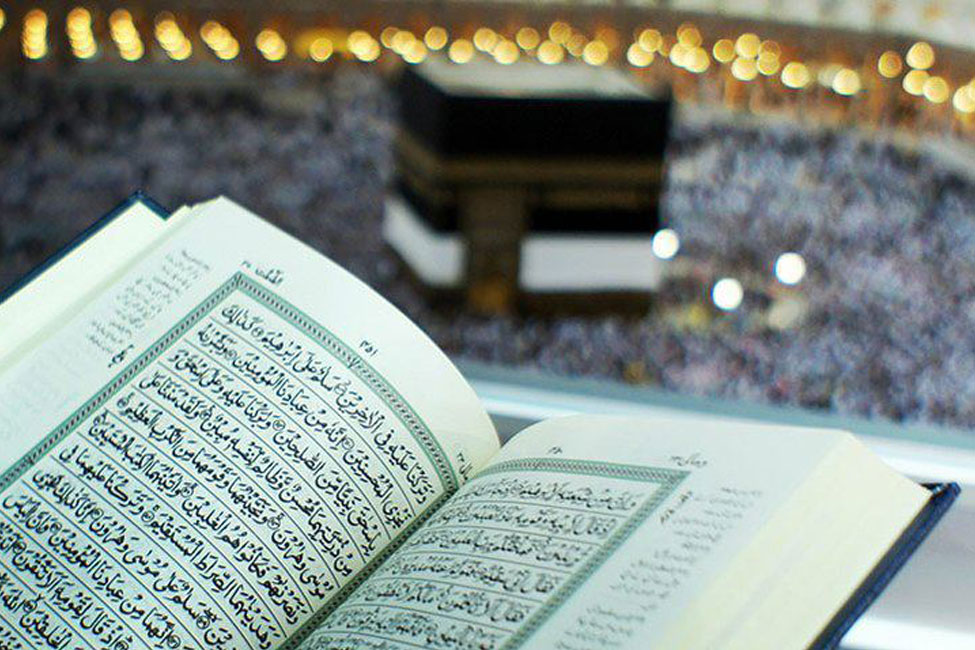
The distribution of a deceased Muslim's estate is not left to personal whim; it is strictly mathematically detailed by Allah in Surah An-Nisa of the Holy Quran. Ensuring your wealth is distributed according to Shariah is a major religious obligation.
First Steps Before Distribution
Before any wealth is divided among the heirs, three things must be deducted from the total estate:
1. Funeral Expenses: The cost of the Janazah and burial.
2. Debts: All outstanding debts (both to people and to Allah, such as unpaid Zakat) must be paid.
3. The Bequest (Wasiyyah): The deceased can will up to a maximum of one-third (1/3) of their estate to charity or to non-heirs.
The Primary Heirs
After deductions, the remainder is distributed to the primary heirs. There are five categories of primary heirs who, if alive, will almost always inherit: the husband/wife, the son, the daughter, the father, and the mother. The exact fractions (e.g., 1/2, 1/4, 1/8) depend on the specific combination of surviving relatives.
Learn the Science of Inheritance (Mirath)
Islamic inheritance is an intricate mathematical science within Fiqh. To learn the exact fractional calculations and conditions, enroll in our advanced Fiqh Learning Course.
Start Your 3-Day Free Trial Today!